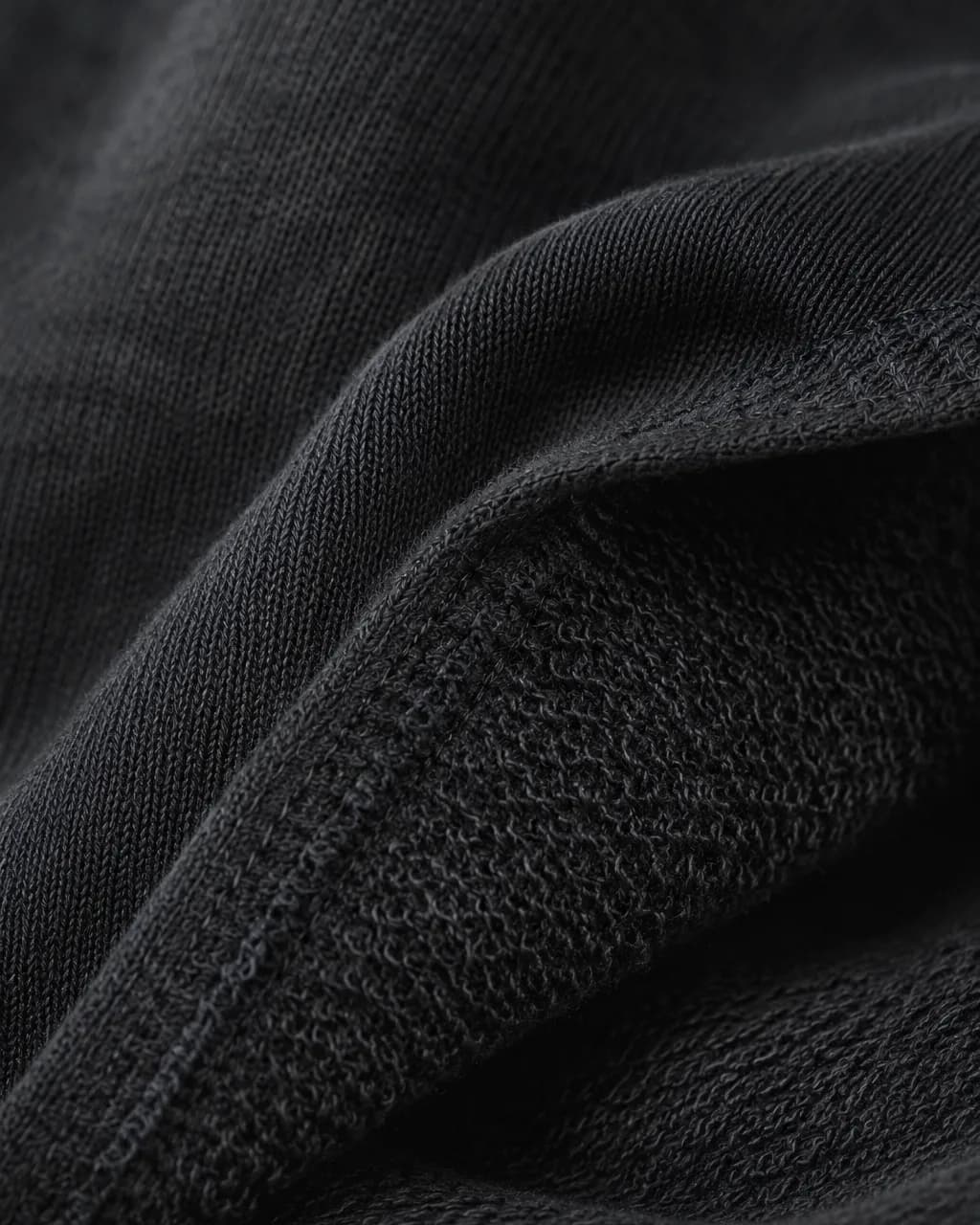
Porto, Portugal
Porto knit mill
400 gsm loopback, tubular jersey, 2×1 rib
Family-run since 1968
Shop loopbackFree shipping over $150 · Free repairs for 2 years
About Weftline
Weftline makes a small range of everyday clothes for women and men. We choose the fabric first — from mills we can name and visit — and cut simple pieces around it.
Everything we sell is repaired for free for two years. Heavy fabrics, flat seams and a repair promise mean the most sustainable thing about our clothes is that you’ll keep wearing them.
01
Every piece starts as a swatch on the table. We pick the weight, the yarn and the finish, then design the simplest shape that does the cloth justice — not the other way round.
02
Five family mills in four countries make all our cloth. We visit each one every season, and we print the mill on the label inside every garment.
03
Flat seams, spare buttons and reinforced stress points, because we fix what we sell. If a seam opens in the first two years, we mend it for free.
Most of our pieces travel less than 400 km from yarn to finished garment. Here is how a Loopback Crew is made.
Long-staple combed cotton, spun in northern Portugal and dyed in the yarn so the colour lasts.
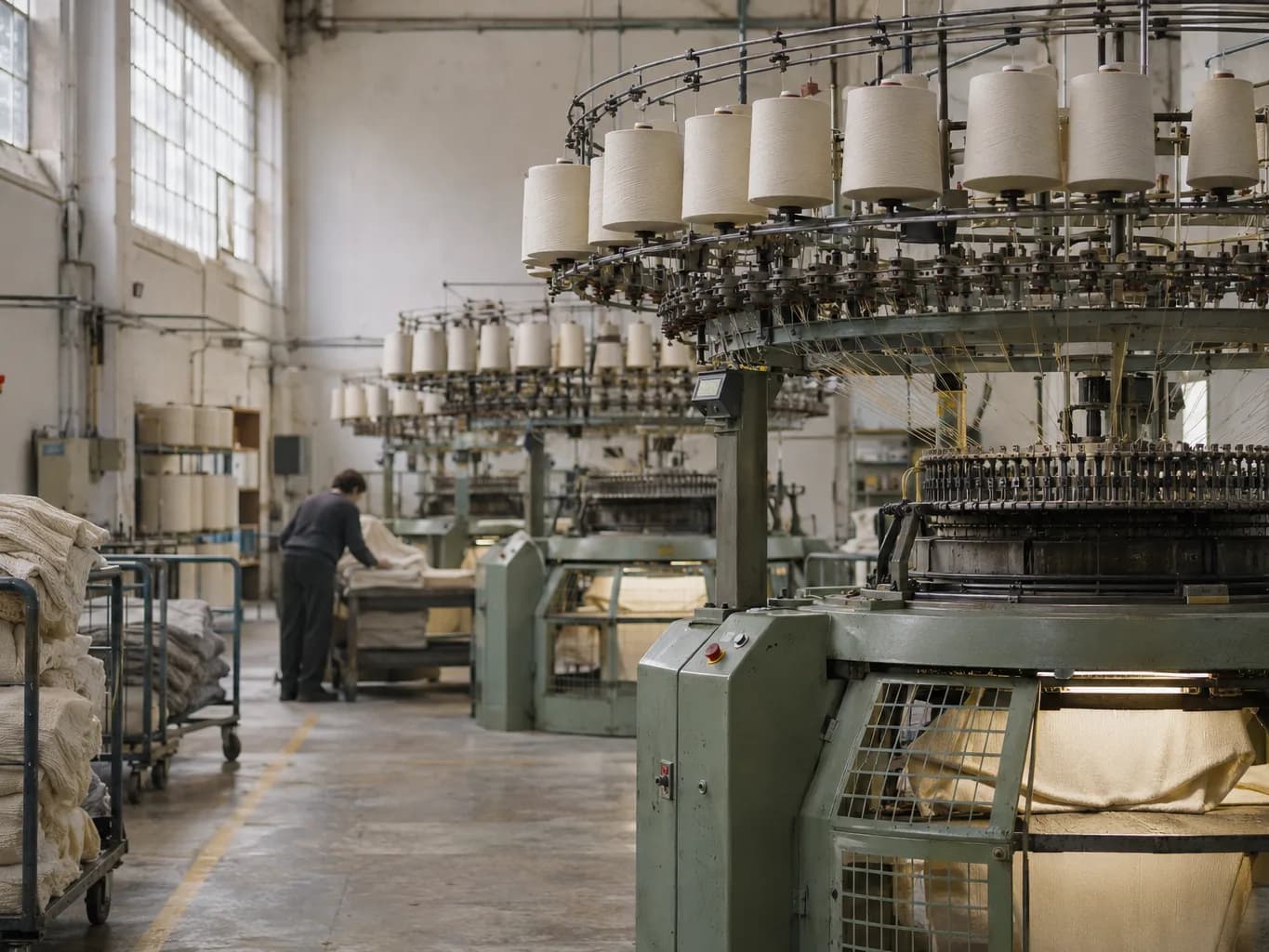
Knitted slowly on old circular machines in Porto. Slow knitting leaves the loops open and the fabric soft.
Cut by hand in small runs and sewn with flat seams, at a family workshop twenty minutes from the mill.
Washed once so it won’t shrink, pressed, and given the woven label that names its mill.
When something gives after years of wear, it comes back to the same workshop and is mended for free.
The five mills behind every Weftline piece.
Porto, Portugal
400 gsm loopback, tubular jersey, 2×1 rib
Family-run since 1968
Shop loopback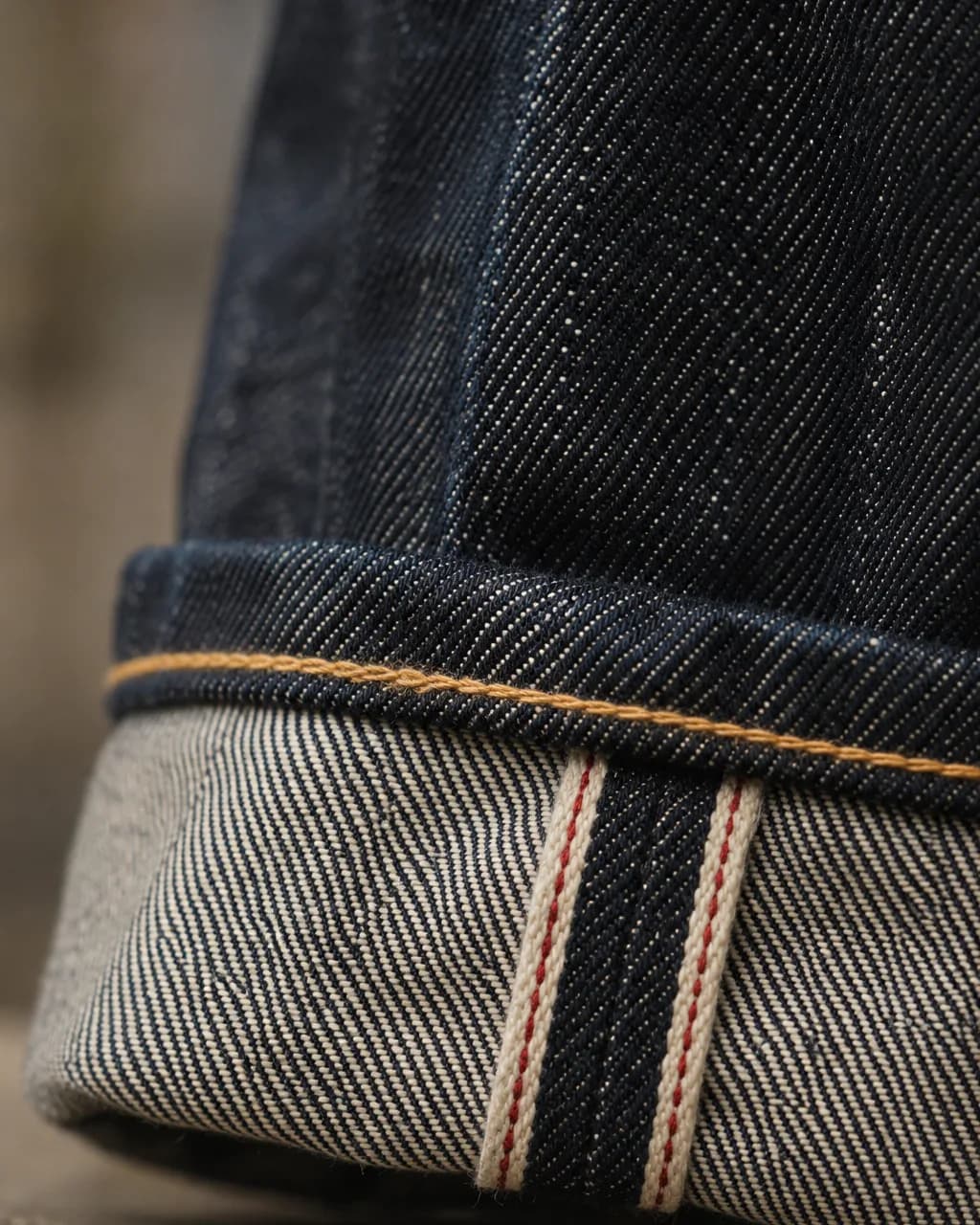
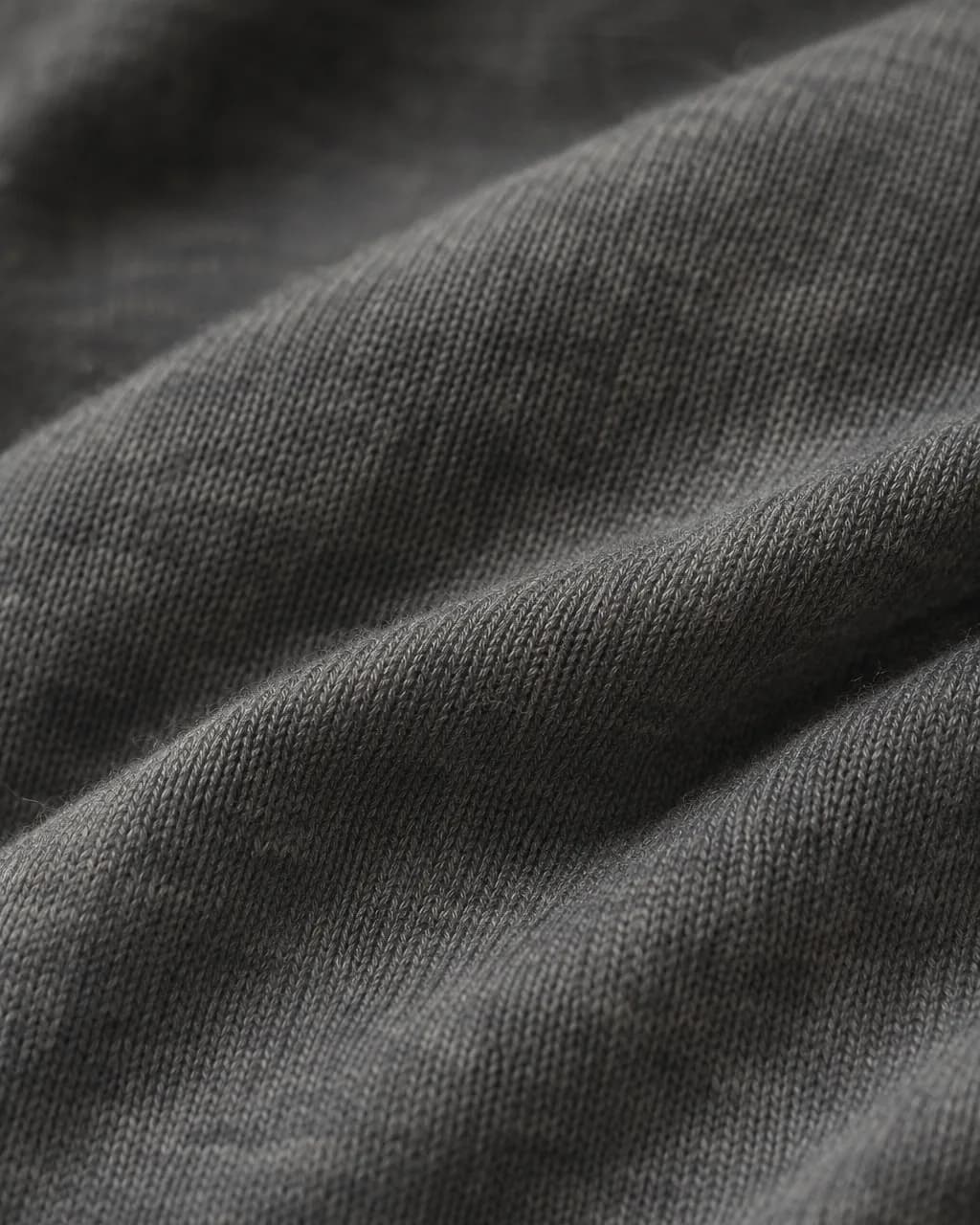
Biella, Italy
17.5 µm merino jersey and wool twill
Spinning in the valley for four generations
Shop merino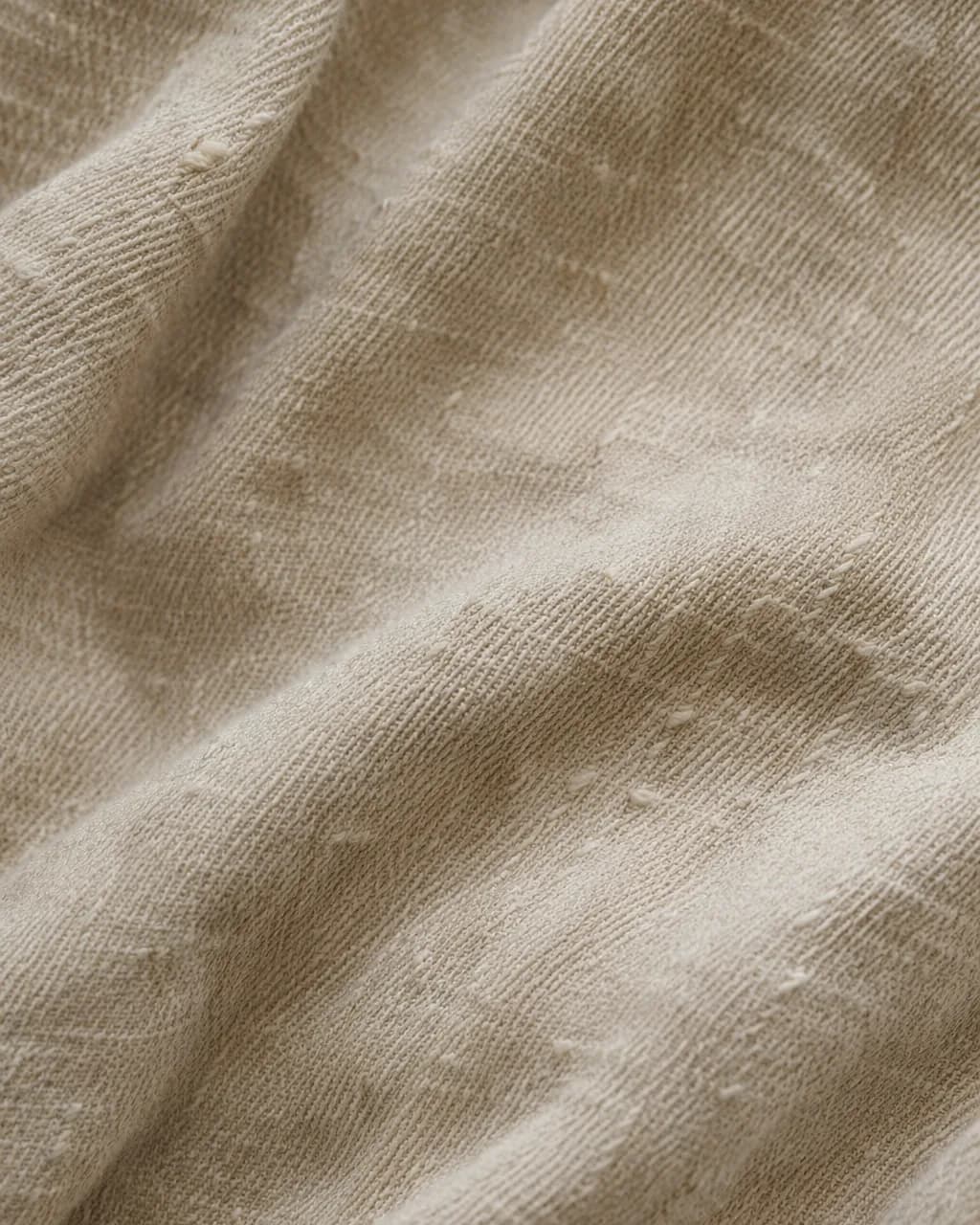
Flanders, Belgium
290 gsm washed linen twill
Flax grown and woven in the same region
Shop linen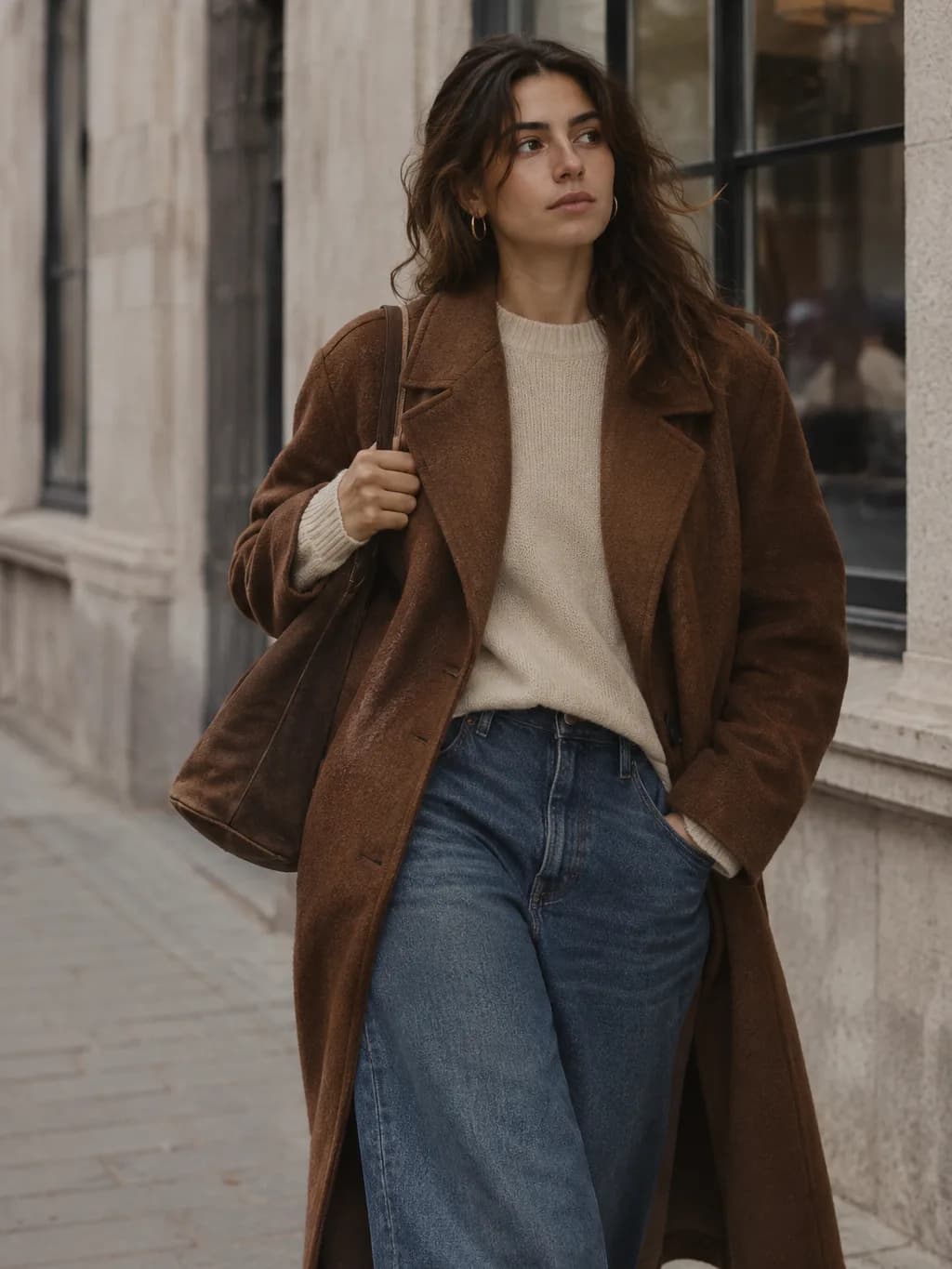
Tyrol, Austria
Boiled wool for coats
Knitted, then shrunk in hot water, the old way
Shop the coat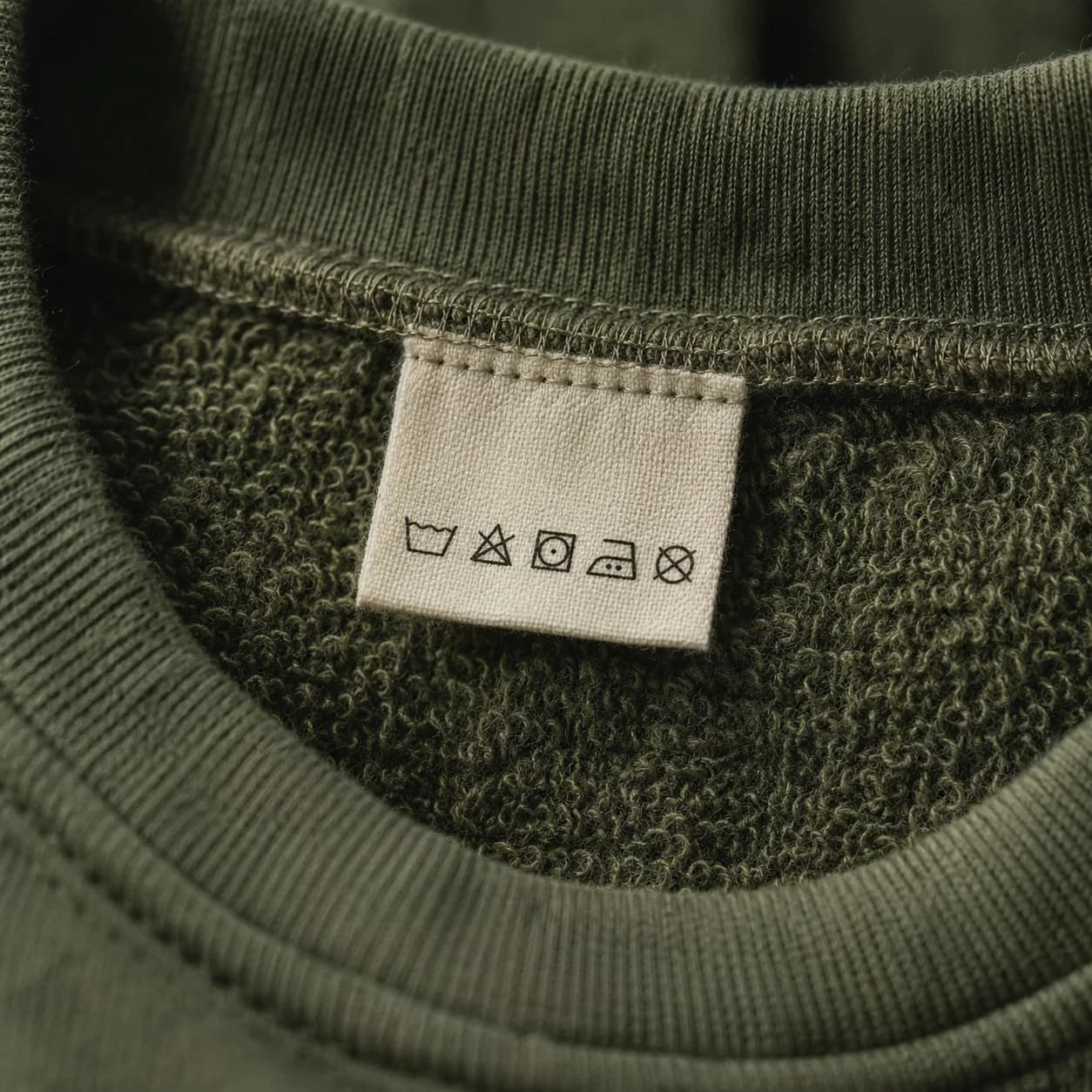
Free repairs
For two years from delivery we mend seams, buttons, zips and small holes from everyday wear — free, with postage both ways.
We would rather tell you than leave it out. These are the parts of Weftline we haven’t solved yet.
Standard orders go by road and sea. Express to the US goes by air, so checkout always offers the slower, greener Standard first.
Our mailers are recycled paper and our hangers are gone, but we still use a poly bag inside to keep pieces clean. We’re testing a paper one.
Yarn dyeing uses less than piece dyeing, and our mills treat their water — but it isn’t zero. We publish each mill’s figures as we get them.